Exclusive: Dilip Kumar Patnaik of Medicaps University (MediaBrief)
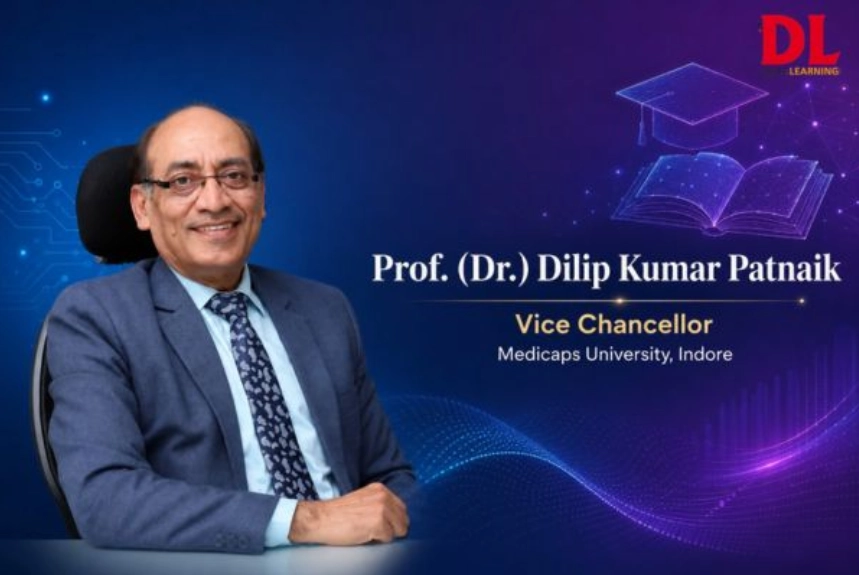
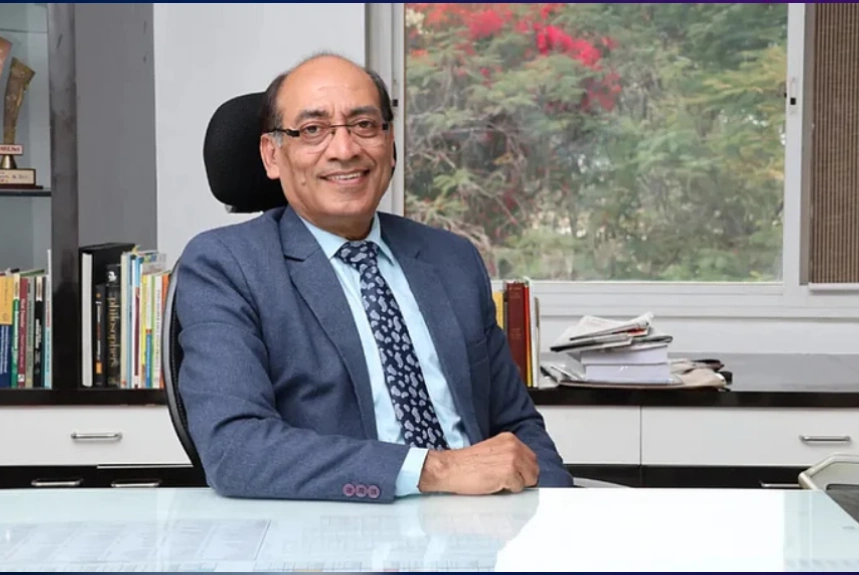
In an exclusive interaction with MediaBrief, Prof. (Dr.) Dilip Kumar Patnaik, Vice Chancellor, Medicaps University, speaks about transforming universities into research-led, industry-integrated ecosystems, implementing NEP 2020 meaningfully through multidisciplinary and flexible learning, embedding digital fluency and problem-solving into everyday pedagogy, reforming governance for academic freedom and innovation, and balancing global standards with regional relevance.
To become truly research-led and closely integrated with industry, universities need to rethink their foundational structures. When asked about the first critical change required, Prof. (Dr.) Dilip Kumar Patnaik, Vice Chancellor of Medicaps University, says, “The most critical structural shift is moving from teaching centric models to research and innovation led academic ecosystems. Universities must embed research into undergraduate and postgraduate education rather than isolating it at the doctoral level.”
He adds, “This includes outcome based research funding, interdisciplinary research clusters, and formal industry collaboration frameworks that move beyond MoUs to co-created projects, sponsored labs, and joint IP ownership.”
“Globally,” Patnaik says, “universities that rank high on research output integrate faculty performance metrics with research impact, patents, and industry engagement. In India, NEP 2020 reinforces this by encouraging institutions to become knowledge creators rather than content deliverers. Structural change also means enabling faculty with time, funding, and autonomy to pursue applied research that addresses real societal and industrial challenges.”
Making multidisciplinary learning meaningful
With the National Education Policy (NEP) 2020 emphasizing multidisciplinary and flexible learning, universities face the challenge of redesigning curricula that go beyond cosmetic changes. On how institutions can make this shift truly meaningful, Patnaik says, “Meaningful multidisciplinary learning requires curriculum redesign at the credit and assessment level, not just elective additions. Universities must allow students to combine majors and minors across disciplines—such as engineering with management, law with technology, or agriculture with data science—supported by flexible credit transfer systems.”
He adds, “NEP 2020 emphasizes Academic Bank of Credits (ABC) and multiple entry exit options, but the real impact comes when interdisciplinary problem solving is embedded into coursework. Capstone projects, industry linked assignments, and real world case studies should require students to apply knowledge from multiple disciplines. Faculty collaboration across departments is equally important to prevent siloed teaching.”
“When multidisciplinary learning is aligned with employability and innovation outcomes, it shifts from being cosmetic to transformational,” says Patnaik.
Embedding digital fluency and problem-solving
As higher education evolves, digital fluency and problem-solving have become essential for future-ready graduates. The challenge lies in embedding these skills into everyday learning rather than treating them as optional add-ons. On how universities can achieve this, Patnaik says, “Digital fluency and problem solving must be integrated into pedagogy, not positioned as standalone skill courses. Every discipline today, whether law, agriculture, pharmacy, or commerce requires exposure to digital tools, data interpretation, and analytical thinking.”
He adds, “Universities should adopt blended learning models where students routinely use digital platforms, simulations, and collaborative tools as part of core coursework. Assessment methods should prioritize application based learning over rote evaluation, encouraging students to solve open ended problems using technology and critical thinking.”
“According to global employability studies,” Patnaik says, “graduates with strong problem solving and digital skills adapt faster to changing job roles. By embedding these competencies into everyday teaching, universities ensure students graduate industry ready rather than skill dependent on post degree training.”
Unlearning compliance-driven mindsets in leadership
On the legacy mindset universities must unlearn, Patnaik says, “The most limiting legacy mindset is the belief that compliance equals excellence. While regulatory adherence is essential, true academic leadership goes beyond approvals, rankings, and rigid hierarchies. Universities must unlearn risk averse decision making that discourages innovation.”
He adds, “Transformational leadership requires empowering faculty, encouraging experimentation in curriculum design, and fostering a culture where failure in research or innovation is viewed as learning, not liability.”
“Globally respected universities operate with academic autonomy, transparent governance, and trust based leadership,” says Patnaik. “Indian institutions must move away from control driven models toward collaborative, purpose led ecosystems that prioritize long term academic and societal impact over short term metrics.”
Balancing global standards with local relevance
While global benchmarks help universities stay competitive, local relevance ensures they address regional and societal needs. On how Indian universities can balance the two, Prof. (Dr.) Dilip Kumar Patnaik says, “Balancing global standards with regional relevance requires universities to adopt glocal academic strategies. While curriculum frameworks, research ethics, and teaching methodologies can align with international benchmarks, problem statements and research focus should reflect local and national priorities.”
“For instance,” he says, “universities in central India can lead research in agriculture innovation, sustainability, manufacturing, healthcare access, and smart infrastructure—areas critical to regional development. NEP 2020 encourages institutions to become drivers of local economic ecosystems while remaining globally competitive.”
“By anchoring global knowledge to local challenges, universities produce graduates who are both internationally competent and socially responsive,” says Patnaik.
Governance and academic freedom for long-term trust
On the changes needed to build trust, foster innovation, and strengthen a university’s credibility and long-term impact, Patnaik says, “Transparent, decentralized, and academically driven governance is essential for institutional credibility. Universities must empower academic councils, research boards, and faculty leadership rather than centralizing all decisions administratively.”
He adds, “NEP 2020 advocates for lighter but smarter regulation, emphasizing institutional autonomy paired with accountability. Clear policies on academic freedom, ethical research practices, and merit based leadership appointments build trust among faculty, students, and industry partners.”
Patnaik wraps up by saying, “When governance supports innovation, encourages independent thinking, and protects academic integrity, universities evolve into trusted knowledge institutions capable of shaping the future of higher education.”

 Back
Back
























 About
About