12th Passed with: Physics + Mathematics + (TOS) Third Optional Subject (TOS) in 12th : Chemistry / Computer Science / Electronics/ Information Technology / Biology / Informatics Practices / Biotechnology/ Technical Vocational subject/ Agriculture/ Engineering Graphics/ Business Studies/ Entrepreneurship
Program Overview
B.Tech in Computer Science and Engineering with specialization in Advanced Artificial Intelligence is a four-year undergraduate program designed to build strong expertise in cutting-edge AI technologies alongside core computer science fundamentals.
The program equips students with the skills to design intelligent systems and solve real-world problems using advanced AI approaches. In addition to foundational topics such as programming, algorithms, operating systems, and databases, the curriculum delves deeply into artificial intelligence, machine learning, deep learning, computer vision, natural language processing, and reinforcement learning. The blend of theory, hands-on projects, and research-based learning ensures students develop analytical, programming, and model-building capabilities.
Graduates of B.Tech CSE - Advanced AI from one of the leading universities for artificial intelligence engineering are well-prepared for careers as AI engineers, machine learning specialists, data scientists, research analysts, and technology consultants in top tech industries and research organizations.
The Program Education Objectives of the Computer Science Engineering Undergraduate Program are to:
PEO-1
Provide strong theoretical foundations to work with cutting edge computing technologies and design solutions to complex engineering problems to work in any competitive environment.
PEO-2
Impart skills such as team building, inter-personal skills, and leadership qualities to effectively communicate with engineering community and with society at large.
PEO-3
Promote research culture through internships, industry trainings, research-oriented projects, sponsored collaborative research and enable them to pursue higher studies in computer and related fields.
PEO-4
Create ethically strong, professionally and globally competent employees and entrepreneurs.
Programme Outcomes (POs):
Engineering graduates will be able to:
POs-1
Engineering knowledge:
Apply the knowledge of mathematics, science, engineering, fundamentals, and an engineering specialization to the solution of complex engineering problem.
POs-2
Problem Analysis:
Identify, formulate, review, research literature, and analyze complex engineering problems reaching substantiated conclusions using first principles of mathematics, natural sciences, and engineering sciences.
POs-3
Design / Development of Solutions:
Design solutions for complex engineering problems and design system components or processes that meet the specified needs with appropriate consideration for the public health and safety, and the cultural, societal, and environmental considerations.
POs-4
Conduct Investigations of Complex Problems:
Use research-based knowledge and research methods including design of experiments, analysis and interpretation of data, and synthesis of the information to provide valid conclusions.
POs-5
Modern Tool Usage:
Create, select, and apply appropriate techniques, resources, and modern engineering and IT tools including prediction and modelling to complex engineering activities with an understanding of the limitations.
POs-6
The Engineer and Society:
Apply reasoning informed by the contextual knowledge to assess societal, health, safety, legal and cultural issues and the consequent responsibilities relevant to the professional engineering practice.
POs-7
Environment and Sustainability:
Understand the impact of the professional engineering solutions in societal and environmental contexts, and demonstrate the knowledge of, and need for sustainable development.
POs-8
Ethics:
Apply ethical principles and commit to professional ethics and responsibilities and norms of the engineering practice.
POs-9
Individual and Team Work:
Function effectively as an individual, and as a member or leader in diverse teams, and in multidisciplinary settings.
POs-10
Communication:
Communicate effectively on complex engineering activities with the engineering community and with society at large, such as, being able to comprehend and write effective reports and design documentation, make effective presentations, and give and receive clear instructions.
POs-11
Project Management and Finance:
Demonstrate knowledge and understanding of the engineering and management principles and apply these to one’s own work, as a member and leader in a team, to manage projects and in multidisciplinary environments.
POs-12
Life-long Learning:
Recognize the need for and have the preparation and ability to engage in independent and life-long learning in the broadest context of technological change.
Programme Specific Outcomes (PSOs):
The Program Specific Outcomes Computer Science Engineering undergraduate Program are to:
PSO-1
Understand the principles and working of computer systems and a good knowledge about the hardware and software aspects of computer systems.
PSO-2
Work in multidisciplinary teams in small- and large-scale projects by utilizing modern software engineering tools and emerging technologies.
PSO-3
Design and develop computer programs and understand the structure and development methodologies of software systems.
PSO-4
Apply their skills in the field of AI, Data Science, Web Technology, Networking and Cloud Computing web design, cloud computing and data analytics.
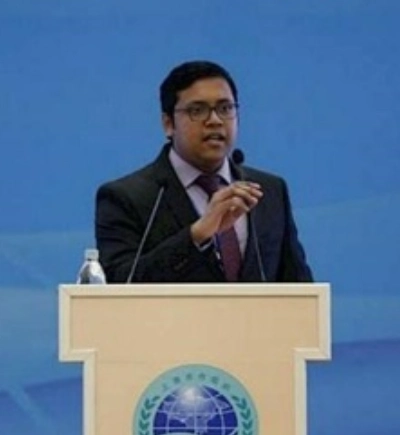
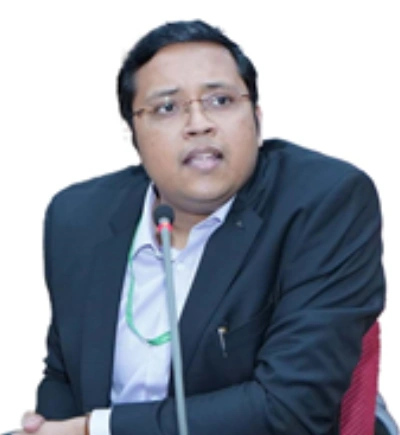
Indian Administrative Officer in Ministry of information broadcasting, New Delhi
Mr. Ankur Lahoty
Proud to see that a sapling (MITM) has grown to a banyan tree (Medicaps University). I am grateful t...
Dinesh Kumar Amresh
In better times, I loved being at Medicaps. I often find myself simultaneously grieving and grateful...
Deepak Pathak
I am happy that I was a student at MITM. we studied & had a lot of fun in our college days..
Amit Makhijani
My four years of engineering at Medicaps University have been outstanding and a memory to treasure f...
Romesh Jadia
There is no elevator to success, you have to take the stairs" but it's important which is the right ...
Alok Vijayvergiya
My alma mater, Medicaps institute of Technology and Management holds a special place in my heart. It...
Ankur Lahoti
Admissions
Admissions
Scholarship
MU-SAT/MLAT
Fee Refund Policy
Faq's
Core subjects include Data Structures, Algorithms, Operating Systems, Database Management, Computer Networks, Software Engineering, and Machine Learning.
Graduates can work as Software Developers, System Analysts, Data Scientists, AI Engineers, and IT Consultants in various industries such as IT, finance, and education.
Yes, internships are a crucial part of the curriculum, with opportunities provided through the university's industry tie-ups and placement cell.
Yes, the curriculum starts from the basics and progresses to advanced topics, making it accessible to students without prior experience in coding.
Admission is based on performance in national entrance exams such as JEE Mains, followed by a university-level counselling process.















 About
About