Pharmacy Education and Its Role in Strengthening India’s Public Health System
Education is seen as the basis to strengthen any industry. The pharmacy industry is dealing with the challenge of efficiently managing the accessibility of drugs across the country. The public healthcare system is in dire need of professionals and systems that can help in revolutionizing the industry. Education in Pharmacy can bring these changes. It can nurture professionals with the knowledge and skills that are essential to support the public health system in India. Understanding this need, the top universities in Indore are focusing on offering different courses in pharmacy. Each of these courses is designed to have an industry-oriented curriculum. This blog highlights the role of these courses in strengthening the public health system.
Creating Professionals Who Support Everyday Healthcare
Pharmacy education lays the foundation for a skilled workforce. These professionals support doctors and other healthcare professionals. Students are trained to understand how medicines are developed. They understand how they act in the body and how they should be used safely. This knowledge becomes especially important in public healthcare settings. These are the spaces where large patient numbers and limited resources demand accuracy and efficiency. Professionals in this field help ensure that the right medicine reaches the right patient at the right dose. They are responsible to reduces medication errors. They have to improve treatment effectiveness and support continuity of care. These factors directly impact public health in government hospitals and community health programmes.
Making Safe and Quality Medicines a Priority
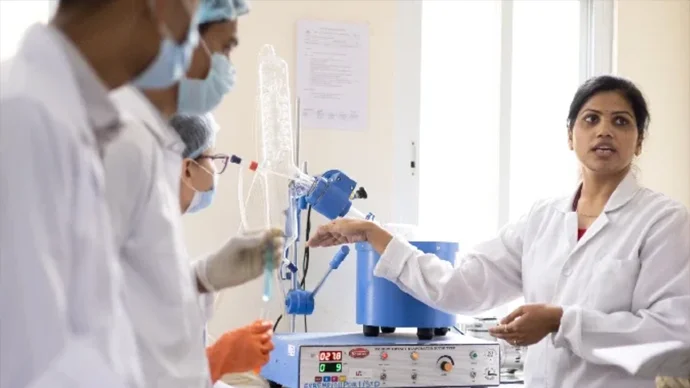
Education in pharmacy has a serious focus on the quality and safety. India is one of the world’s largest producers of pharmaceutical products. We have a real challenge to maintain high standards for global credibility and domestic health protection. The courses offered at top pharmacy colleges in MP provide comprehensive academic learning and hands-on lab exposure. Pharmacy students gain a deep understanding of quality control, quality assurance and regulatory requirements. The graduates from this course are trained to ensure safety, effectiveness and reliability in the production. They are expected to bring this change to manufacturing units, testing laboratories, or regulatory bodies. This directly protects patients and builds trust in the public health infrastructure.
Supporting National Health Programmes
India runs several large-scale public health programmes. These initiatives are focused on immunisation, infectious disease control, maternal health and chronic illness management. The essence of these initiatives depends heavily on effective medicine procurement, storage, distribution and monitoring. Pharmacy professionals are trained to manage these responsibilities efficiently.
Education in this field increasingly includes exposure to public health systems. It also gives professionals the knowledge of pharmacovigilance. Graduates from one of the top universities in Indore contribute to the field by tracking medicine usage. They are trained in monitoring side effects and reporting safety data. This information helps authorities refine treatment guidelines. It also helps in improving programme outcomes. This, in turn, helps in making public health initiatives more responsive and evidence-driven.
Promoting Ethical Practice and Community Awareness
This is another focus area for pharmacy education that is often overlooked is the promotion of ethical and social responsibility. Students are trained to place patient safety and well-being above commercial interests. This ethical grounding is essential in maintaining public trust in the healthcare system.
In many communities, pharmacists are among the most accessible healthcare professionals. Their education enables them to guide people on correct medicine use, warn against misuse, and encourage preventive healthcare practices. Such everyday interactions may seem small, but collectively they contribute to improved health awareness and early intervention at the community level.
Preparing for the Future of Public Health
India’s public health challenges are constantly evolving, with issues such as antimicrobial resistance, ageing populations, and digital health becoming more prominent. Pharmacy education is adapting by integrating new technologies, interdisciplinary learning, and practical exposure. This ensures that future pharmacists are not only technically skilled but also adaptable and forward-looking.
Conclusion
Pharmacy education plays a steady and meaningful role in strengthening India’s public health system. By preparing professionals who ensure medicine safety, support public health programmes, improve patient care, and contribute to research and innovation, it reinforces healthcare delivery at every level. As India continues to work towards accessible and effective healthcare for all, strong and future-ready pharmacy education at the top pharmacy colleges in MP will remain a vital part of that journey.
 Back
Back


 About
About