Is Mechanical Engineering Still a Good Career Choice in 2026?
Students today feel confused about career choices. New fields like AI dominate career discussions, while automation continues to attract growing attention. Trends change fast. Expectations also shift quickly. Many students prefer software fields now. Core engineering sees less interest. However, some still like machines and engines. They enjoy design and practical work. So, one question often comes up. Does mechanical engineering still hold value? Meanwhile, industries keep evolving with smarter systems. In addition, practical skills remain important across engineering fields. Despite changing trends, engineering colleges in MP continue to attract aspiring engineers. Meanwhile, industries such as electric vehicles, robotics, and smart manufacturing continue expanding rapidly across India and global markets.
Understanding Mechanical Engineering Today
Today, mechanical engineering includes design, manufacturing, thermal, and production. Additionally, these fields are closely related to industry. Engineers work across industries such as:
Automotive
Aerospace
Energy
Robotics, and Manufacturing and allied engineering sectors.
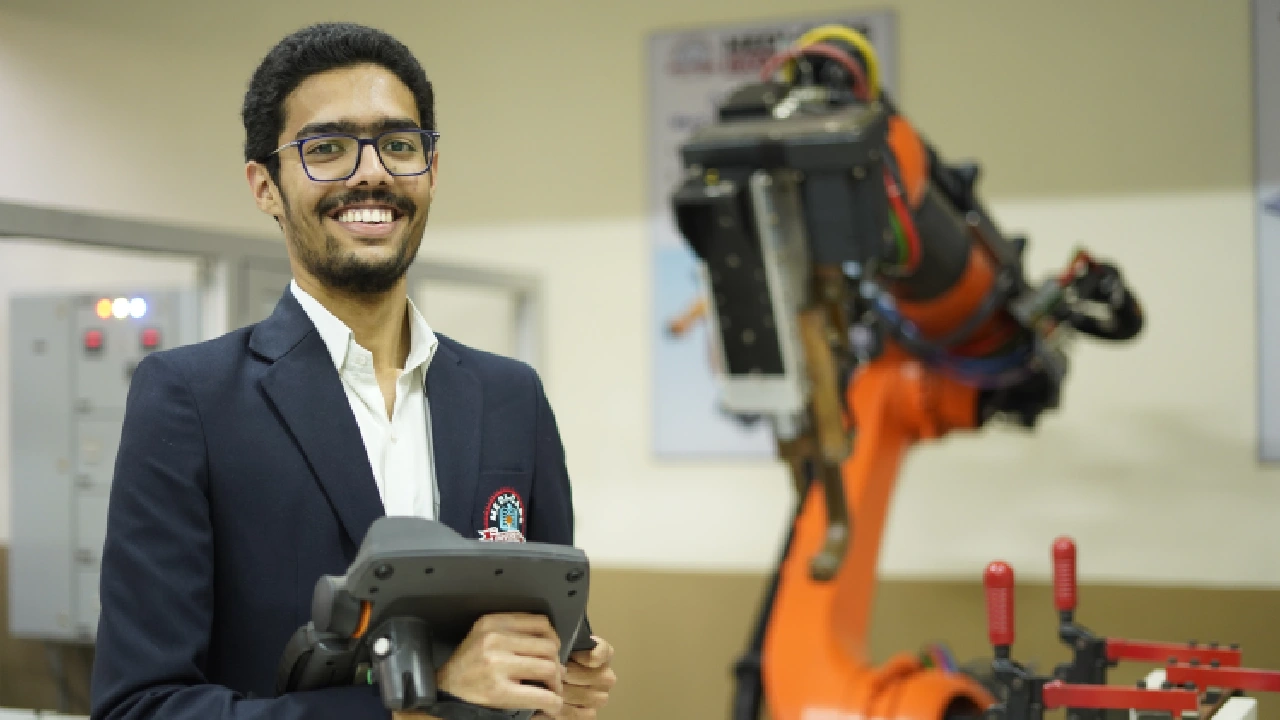
Traditional mechanical systems no longer dominate the field. Thus, engineers use smarter, more responsive technologies. In addition, AI and IoT now influence modern machine operations. Automation changes modern industry processes.
Why B.Tech in Mechanical Engineering Still Holds Value
Builds a strong foundation in core engineering principles
Develops understanding of machines and systems
Enhances knowledge of energy and production processes
Encourages practical problem-solving using logic
Applies concepts across multiple real-world situations
Strengthens analytical thinking and technical reasoning skills
Offers versatility across diverse engineering industries
Focuses on both theoretical and practical knowledge
Provides valuable hands-on experience
Prepares students for real industrial challenges
Improves adaptability to changing technology and tools
Builds confidence through continuous practical exposure
Supports long-term career growth across sectors
Remains relevant despite evolving industry trends.
Career Opportunities in 2026
Career opportunities in 2026 feel broader than many students expect. Also, career paths in traditional fields are still stable and useful. For example, factories keep hiring skilled mechanical engineers on a regular basis. In addition, the automotive industry changes as design and production needs do the same.
India’s manufacturing sector continues growing through industrial development and modernization initiatives. As factories adopt smarter production systems, the demand for technically skilled mechanical engineers continues increasing across industries.
Power plants and heavy industries also require professionals with strong technical expertise. But now, new opportunities are opening up in fields that are new and changing fast. The rise of electric vehicles has created new challenges in design and testing processes. Also, renewable energy projects need engineers to help build the systems they need.
Industry reports also suggest that the electric vehicle market will continue expanding significantly during the coming years. Consequently, mechanical engineers now contribute to EV production, battery systems, thermal management, and sustainable mobility solutions.
Where Does the Boom Come From?
The country aims to elevate EV sales to 30% of private cars, 70% of commercial vehicles, 40% of buses, and 80% of two- and three-wheelers by 2030
Globally, the EV market was valued at US$ 917.30 billion in 2025 and is forecasted to reach US$ 4,886.20 billion by 2034
India's EV sales continued to rise in FY25, reaching 2.05 million units, up from 1.68 million in FY24.
As of Q3 FY26, India’s EV sales reached 6,89,050 units
In January 2026, electric car sales surged to 30,314 units, 51% jump from 20,088 units a year ago.
EV-Specific Jobs Projection (by 2030)
According to NITI Aayog and various industry reports:
EV-related employment: 500,000 direct jobs in core areas
Indirect job creation: 1.5-2 million opportunities in allied areas
Sectoral Job Distribution (by 2030):
35% in EV manufacturing
25% in battery manufacturing
20% in software
10% in grid framework
10% in aftersales support.
Robotics and automation are expanding job opportunities across multiple industries. Mechatronics combines mechanical engineering with electronics and smart control systems. Not only do private businesses grow, but so do government sectors. Eventually, career choices depend more on how flexible and interested you are. In fact, mechanical engineering is still useful in many fields that are changing and growing.
Skills That Define Success in Mechanical Engineering
Proficiency in CAD software
Basics of CAM operations
CAE simulation understanding
Knowledge of automation systems
Fundamentals of industrial robotics
Strong problem-solving ability
Analytical thinking and reasoning
Understanding of manufacturing processes
Familiarity with design principles
Adaptability to new technologies
Strong attention to detail Effective technical communication skills.
Challenges Students Should Be Aware Of
Students face rising competition in core mechanical engineering jobs today. Many candidates compete for limited industry roles. Consequently, selection becomes tougher for fresh graduates every year. Moreover, companies now expect practical skills along with basic knowledge. However, many students rely heavily on classroom learning only. This creates a clear gap between theory and real industry needs.
In addition, technology keeps evolving rapidly. New tools and methods appear often. Therefore, continuous upskilling becomes necessary. Students must keep learning new skills regularly. Continuous learning supports long-term career growth. Ultimately, students must stay updated. They must remain adaptable. They should also stay proactive.
Choosing the Right College Matters
Choosing the right college determines how students learn and grow. Moreover, good infrastructure creates an effective environment for practical learning. For instance, well-equipped labs allow students to test real concepts. In addition, experienced faculty guide students beyond textbooks and theory. However, classroom learning alone never feels enough in engineering fields.
Consequently, internships and industry exposure become equally important. Meanwhile, placement support helps students transition confidently into professional careers. Not only do facilities matter, but overall learning culture also plays a role. Therefore, many students prefer engineering colleges in Indore for balanced education.
Who should choose mechanical engineering?
Students who feel curious about machines often choose this field. Moreover, students who enjoy designing and building things often find this field rewarding. For instance, fixing a small device can spark deeper interest. However, choosing mechanical engineering needs more than casual curiosity. Consequently, a strong interest in real-world problem-solving becomes essential. In addition, practical thinking helps students understand how systems function in real-world environments.
Wrapping Up
Mechanical engineering continues to shape industries in ways people often overlook. Moreover, its role continues to grow in sustainable and green energy systems. For instance, engineers design efficient machines that reduce energy waste daily. In addition, infrastructure projects rely heavily on mechanical expertise and planning. Meanwhile, manufacturing sectors still demand skilled engineers for smooth operations. Today, the field combines traditional engineering principles with modern technologies.
 Back
Back


 About
About